What Material Is Best For Gutters? #housing #homerepair #oregon #feildservicing #teamthayer

Gutters: What Material Is Best?
decorative image
ContractorIf you're putting gutters on your home for the first time, or replacing your existing gutters, you may be surprised by just how many options there are. While there may be numerous options to choose from, it’s important to understand the various costs associated with this type of project before making a decision. In fact, experts estimate that the cost to install gutters and related components like downspouts can vary widely, with installation rates ranging from a minimum of $3 to more than $17 per linear foot.

And while gutters protect the sides of the house from mud, preventing erosion, reducing water damage to the foundation, and keeping visitors from getting wet—guttering can demand more maintenance and cleaning, distract from the profile or design of a home, and be a big expense when constructing or remodeling.

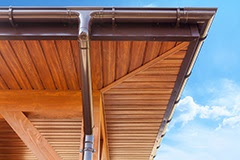
The four top gutter material options are aluminum, vinyl, copper and stainless steel.

So, what’s the best choice for you? Consider these facts:

  • Over time, copper develops a special lining that protects from rust and other potentially harmful elements including algae and fungi growth, so blockages, with their related cleaning and maintenance expenses, will be significantly reduced.
  • Aluminum gutters need to be maintained to avoid corrosion and dents, so cleaning them and caulking them regularly is important. And since aluminum expands and contracts with the temperature, they’re prone to cracks, which need to be repaired in order to avoid leaks.
  • When it comes to affordability, vinyl tops the list because it’s lightweight and easy to install. Additional benefits include the fact that its color won’t fade, chip or crack over time. Vinyl can get brittle and snap in cold extremes, so it may not be the best option for homes in cold climates.
  • Steel ranks second when it comes to affordability, however, it’s important to note that it can rust in certain climates. Not only is it sturdy, but it can also hold a lot of weight, so sagging is less common.

Popular posts from this blog

Grass Seed Video

When Will Bank Foreclosurews ‘Normalize’? Team Thayer #realestate #investor #housing #market #news #oregon

With much of the talk surrounding the housing market centered on “normalization” or returning to its pre-crisis state, one metric which the market is watching is the distressed sales share—the share of REO and short sales that comprise total residential home sales. For February 2016, the distressed sales share declined by 2.9 percentage points over-the-year (and 0.4 percentage points over-the month) down to 11 percent, according to  data released by CoreLogic  on Thursday. At their peak in January 2009, distressed sales accounted for nearly one-third of all residential home sales (32.4 percent) but has been declining steadily since then. By comparison, the pre-crisis share of distressed sales was typically around 2 percent; CoreLogic estimates that if the current rate of year-over-year decline continues, the distressed sales share will reach the “normal” pre-crisis level in slightly more than two years. “Prior to the housing crash, the distressed share of total...

Reverse Mortgage Foreclosure May Be At Increased Risk. Team Thayer #realestate #housing #market #foreclosure #Mortgage #news #oregon

San Francisco-based advocacy group  California Reinvestment Coalition  (CRC) has asked  HUD  to impose a moratorium on home equity conversion mortgage (HECM, or reverse mortgage) foreclosures by  CIT Group  and its subsidiary, Financial Freedom. CRC requested the moratorium based on new data it obtained from HUD in  the form of a fact sheet which shows that CIT Group/Financial Freedom were responsible for 39 percent of the 41,237 reverse mortgage foreclosures in the United States since April 2009 despite having an estimated market share of only 17 percent in the reverse mortgage market. Many of the reverse mortgage foreclosures that have occurred are “widow foreclosures,” or foreclosures that occur after the death of a non-borrowing spouse. These foreclosures are allowed to happen because some reverse mortgage originators name only the borrower on the reverse mortgage, which later allows the servicers to foreclose on the non-borrowing spouse. M...