How To Get The Most Money When Selling Your House. Team Thayer #realestate #investor #housing #news

Every homeowner wants to make sure they maximize their financial reward when selling their home. But how do you guarantee that you receive maximum value for your house? Here are two keys to ensuring you get the highest price possible.

1. Price it a LITTLE LOW

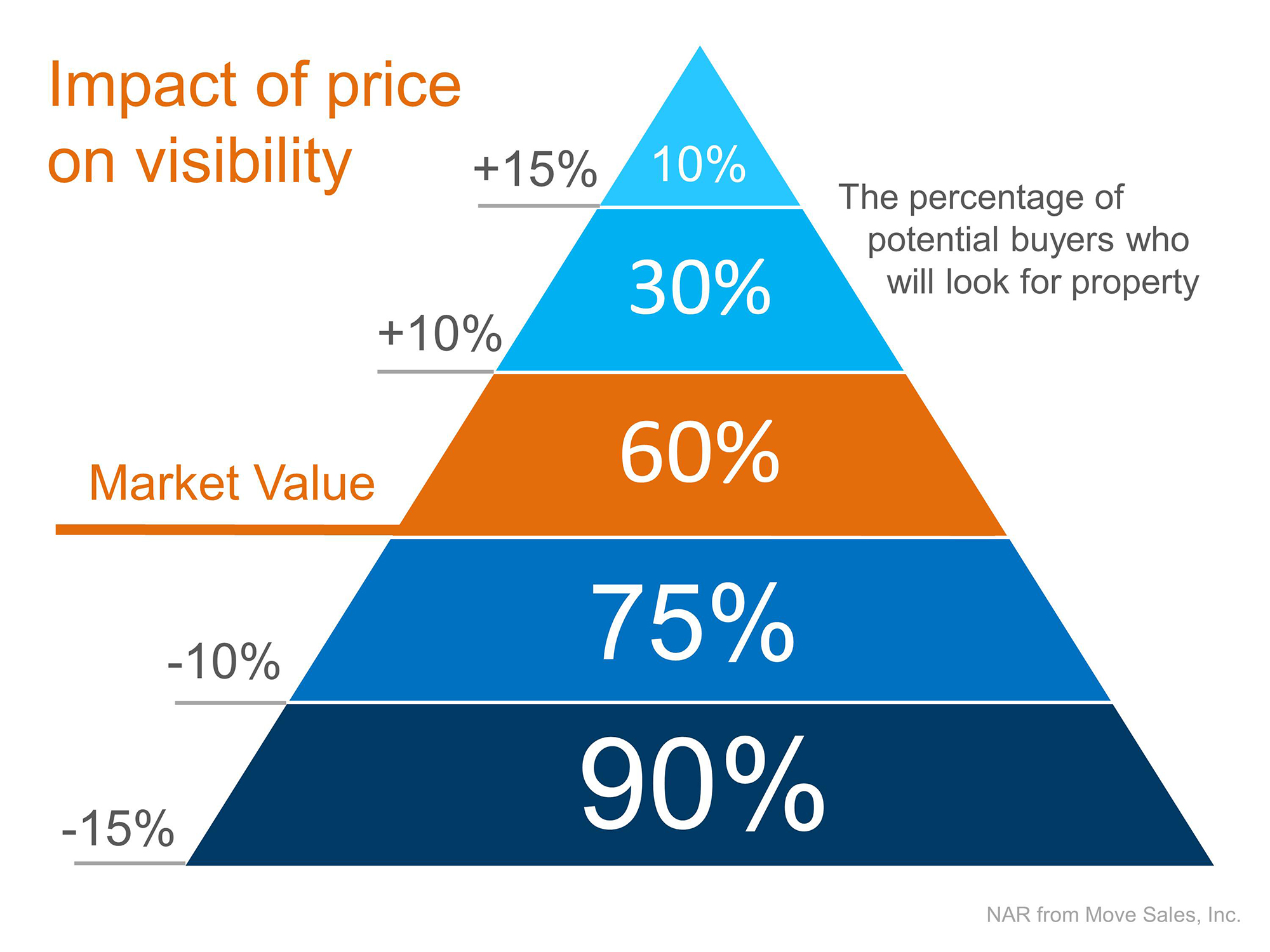
This may seem counterintuitive. However, let’s look at this concept for a moment. Many homeowners think that pricing their home a little OVER market value will leave them room for negotiation. In actuality, this just dramatically lessens the demand for your house (see chart below).
How To Get The Most Money When Selling Your House | Simplifying The Market
Instead of the seller trying to ‘win’ the negotiation with one buyer, they should price it so that demand for the home is maximized. In that way, the seller will not be fighting with a buyer over the price, but instead will have multiple buyers fighting with each other over the house.
Realtor.com, gives this advice:
“Aim to price your property at or just slightly below the going rate. Today’s buyers are highly informed, so if they sense they’re getting a deal, they’re likely to bid up a property that’s slightly underpriced, especially in areas with low inventory.”
 How To Get The Most Money When Selling Your House | Simplifying The Market

2. Use a Real Estate Professional

This too may seem counter intuitive. The seller may think they would net more money if they didn’t have to pay a real estate commission. With this being said, studies have shown that homes typically sell for more money when handled by a real estate professional.
Research posted by the Economists’ Outlook Blog revealed that:
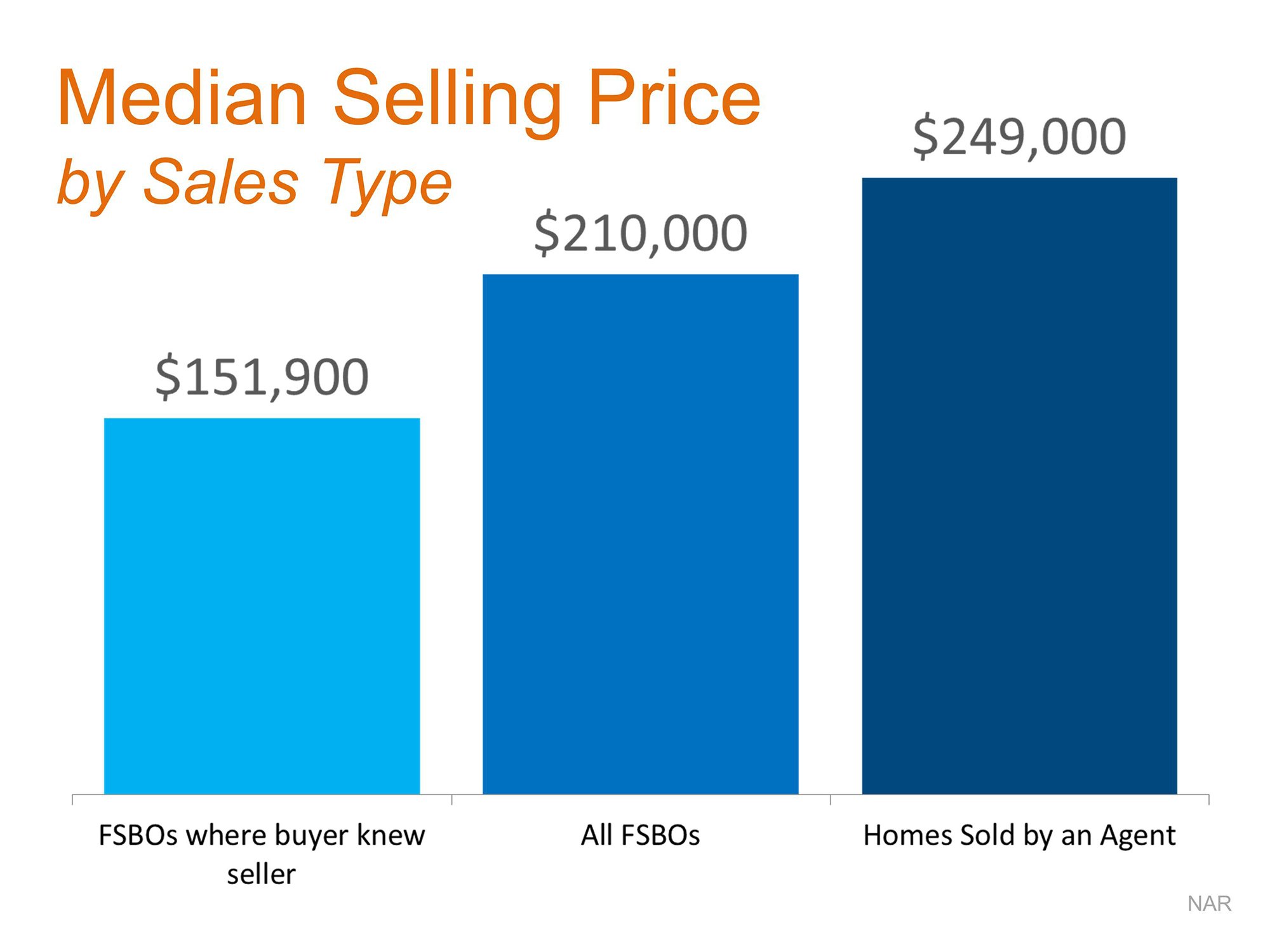
“The median selling price for all FSBO homes was $210,000 last year. When the buyer knew the seller in FSBO sales, the number sinks to the median selling price of $151,900. However, homes that were sold with the assistance of an agent had a median selling price of $249,000 – nearly $40,000 more for the typical home sale.”
Team Thayer
How To Get The Most Money When Selling Your House | Simplifying The Market

Bottom Line

Price your house at or slightly below the current market value and hire a professional. That will guarantee you maximize the price you get for your house.

justin lee thayer

Popular posts from this blog

Grass Seed Video

How Far Has the Economy Fallen in a Month? Team Thayer #realestate #housing #economic ##market #news #oregon

If the  May  Wall Street Journal  economist survey  is any indication, the economy is a lot worse off than it was as recently as a month ago. In the last three surveys conducted by the  Journal  in which economists are asked when they think the Federal Reserve  will next raise the federal funds target rate, the consensus answer has been June. In April’s survey, three-quarters of economists surveyed said they believe that a rate hike by the Fed will be announced at the next FOMC meeting on June 14 and 15. May’s survey told a different story, however. Less than a third (31 percent) out of the 70 economists surveyed said they believe the rate hike will take place in June; 21 percent said they believe it will take place in July. The same percentage of economists who believe that a June rate hike will take place (31 percent) said they think it will take place in September. What happened to the economy in the last month? A couple of setbacks—first,...

When Will Bank Foreclosurews ‘Normalize’? Team Thayer #realestate #investor #housing #market #news #oregon

With much of the talk surrounding the housing market centered on “normalization” or returning to its pre-crisis state, one metric which the market is watching is the distressed sales share—the share of REO and short sales that comprise total residential home sales. For February 2016, the distressed sales share declined by 2.9 percentage points over-the-year (and 0.4 percentage points over-the month) down to 11 percent, according to  data released by CoreLogic  on Thursday. At their peak in January 2009, distressed sales accounted for nearly one-third of all residential home sales (32.4 percent) but has been declining steadily since then. By comparison, the pre-crisis share of distressed sales was typically around 2 percent; CoreLogic estimates that if the current rate of year-over-year decline continues, the distressed sales share will reach the “normal” pre-crisis level in slightly more than two years. “Prior to the housing crash, the distressed share of total...