Foreclosure Inventory Down One-Third #Housingnews #housingmarket #foreclosures #foreclosurenews #housing #realestate
 While those in the mortgage industry continue to debate whether or not housing has “recovered” and what exactly constitutes a recovery, default metrics continue to tumble.
In November, the number of homes in some state of foreclosure across the country was reported to be approximately one-third of its peak reached nearly five years ago, according to CoreLogic’s November 2015 National Foreclosure Reportreleased on Tuesday.
Foreclosure inventory was reported to be about 448,000 properties for November, which comprises approximately 1.2 percent of all residential homes in the country—the lowest foreclosure rate for any one month since November 2007, nearly a year before the crash. This number represented a 21.8 percent decline from November 2014 (573,000) and is a drop of about 67 percent from the peak reached in January 2011, when approximately 3.6 percent of all homes with a mortgage were in foreclosure, according to CoreLogic.
“After peaking at 3.6 percent in January 2011, the foreclosure rate currently stands at 1.2 percent—a remarkable improvement,” said Dr. Frank Nothaft, chief economist for CoreLogic. “While there are still pockets of areas with high foreclosure activity, 30 states have foreclosure rates below the national average which is evidence of the solid improvement.”
Completed foreclosures, a true reflection of the number of homes lost to foreclosure, were also way down in November. The month’s total of 33,000 foreclosures completed represented about a 19 percent decline from November 2014, when 41,000 foreclosures were completed. November 2015’s total was a decline of 71.6 percent from the peak total of 117,657 reached in September 2010 at the height of the foreclosure crisis.
While those in the mortgage industry continue to debate whether or not housing has “recovered” and what exactly constitutes a recovery, default metrics continue to tumble.
In November, the number of homes in some state of foreclosure across the country was reported to be approximately one-third of its peak reached nearly five years ago, according to CoreLogic’s November 2015 National Foreclosure Reportreleased on Tuesday.
Foreclosure inventory was reported to be about 448,000 properties for November, which comprises approximately 1.2 percent of all residential homes in the country—the lowest foreclosure rate for any one month since November 2007, nearly a year before the crash. This number represented a 21.8 percent decline from November 2014 (573,000) and is a drop of about 67 percent from the peak reached in January 2011, when approximately 3.6 percent of all homes with a mortgage were in foreclosure, according to CoreLogic.
“After peaking at 3.6 percent in January 2011, the foreclosure rate currently stands at 1.2 percent—a remarkable improvement,” said Dr. Frank Nothaft, chief economist for CoreLogic. “While there are still pockets of areas with high foreclosure activity, 30 states have foreclosure rates below the national average which is evidence of the solid improvement.”
Completed foreclosures, a true reflection of the number of homes lost to foreclosure, were also way down in November. The month’s total of 33,000 foreclosures completed represented about a 19 percent decline from November 2014, when 41,000 foreclosures were completed. November 2015’s total was a decline of 71.6 percent from the peak total of 117,657 reached in September 2010 at the height of the foreclosure crisis.
 About 6 million homes nationwide have been lost to foreclosure since the crisis began in September 2008. Since the homeownership rate peaked in 2006, about 8 million homes have been lost to foreclosure.
The number of residential mortgages in serious delinquency, meaning 90 or more days overdue or in foreclosure ore REO) was reported to be 1.3 million (3.3 percent of all mortgages) in November 2015, which was a 21.7 percent year-over-year decline and the lowest serious delinquency rate since December 2007, according to CoreLogic.
“Tight post-crash underwriting standards coupled with much improved economic and housing market fundamentals have combined to push new mortgage delinquencies to 15-year-lows,” said Anand Nallathambi, president and CEO of CoreLogic. “Although judicial states will likely continue to lag, given current trends, it is reasonable to expect a continued and significant drop in the rate of serious delinquencies and foreclosure starts in 2016.”
About 6 million homes nationwide have been lost to foreclosure since the crisis began in September 2008. Since the homeownership rate peaked in 2006, about 8 million homes have been lost to foreclosure.
The number of residential mortgages in serious delinquency, meaning 90 or more days overdue or in foreclosure ore REO) was reported to be 1.3 million (3.3 percent of all mortgages) in November 2015, which was a 21.7 percent year-over-year decline and the lowest serious delinquency rate since December 2007, according to CoreLogic.
“Tight post-crash underwriting standards coupled with much improved economic and housing market fundamentals have combined to push new mortgage delinquencies to 15-year-lows,” said Anand Nallathambi, president and CEO of CoreLogic. “Although judicial states will likely continue to lag, given current trends, it is reasonable to expect a continued and significant drop in the rate of serious delinquencies and foreclosure starts in 2016.”

While those in the mortgage industry continue to debate whether or not housing has “recovered” and what exactly constitutes a recovery, default metrics continue to tumble.
In November, the number of homes in some state of foreclosure across the country was reported to be approximately one-third of its peak reached nearly five years ago, according to CoreLogic’s November 2015 National Foreclosure Reportreleased on Tuesday.
Foreclosure inventory was reported to be about 448,000 properties for November, which comprises approximately 1.2 percent of all residential homes in the country—the lowest foreclosure rate for any one month since November 2007, nearly a year before the crash. This number represented a 21.8 percent decline from November 2014 (573,000) and is a drop of about 67 percent from the peak reached in January 2011, when approximately 3.6 percent of all homes with a mortgage were in foreclosure, according to CoreLogic.
“After peaking at 3.6 percent in January 2011, the foreclosure rate currently stands at 1.2 percent—a remarkable improvement,” said Dr. Frank Nothaft, chief economist for CoreLogic. “While there are still pockets of areas with high foreclosure activity, 30 states have foreclosure rates below the national average which is evidence of the solid improvement.”
Completed foreclosures, a true reflection of the number of homes lost to foreclosure, were also way down in November. The month’s total of 33,000 foreclosures completed represented about a 19 percent decline from November 2014, when 41,000 foreclosures were completed. November 2015’s total was a decline of 71.6 percent from the peak total of 117,657 reached in September 2010 at the height of the foreclosure crisis.
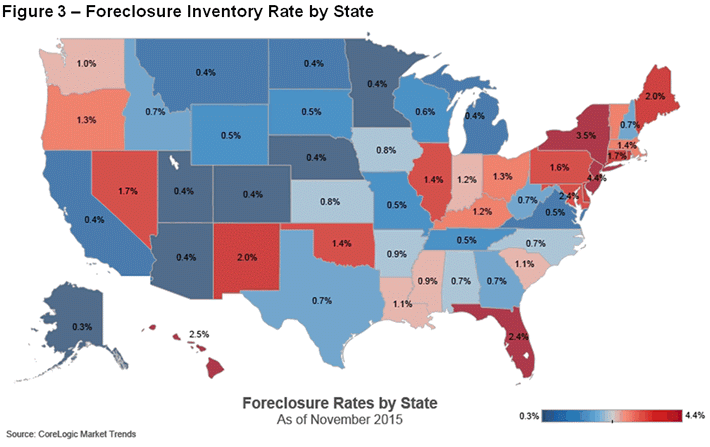 About 6 million homes nationwide have been lost to foreclosure since the crisis began in September 2008. Since the homeownership rate peaked in 2006, about 8 million homes have been lost to foreclosure.
The number of residential mortgages in serious delinquency, meaning 90 or more days overdue or in foreclosure ore REO) was reported to be 1.3 million (3.3 percent of all mortgages) in November 2015, which was a 21.7 percent year-over-year decline and the lowest serious delinquency rate since December 2007, according to CoreLogic.
“Tight post-crash underwriting standards coupled with much improved economic and housing market fundamentals have combined to push new mortgage delinquencies to 15-year-lows,” said Anand Nallathambi, president and CEO of CoreLogic. “Although judicial states will likely continue to lag, given current trends, it is reasonable to expect a continued and significant drop in the rate of serious delinquencies and foreclosure starts in 2016.”
